“Shanghai Nanjing Plus” 2025: “Exploring Perspectives on China–U.S. Relations” Series: Visit Nanjing (1)
2025/10/17
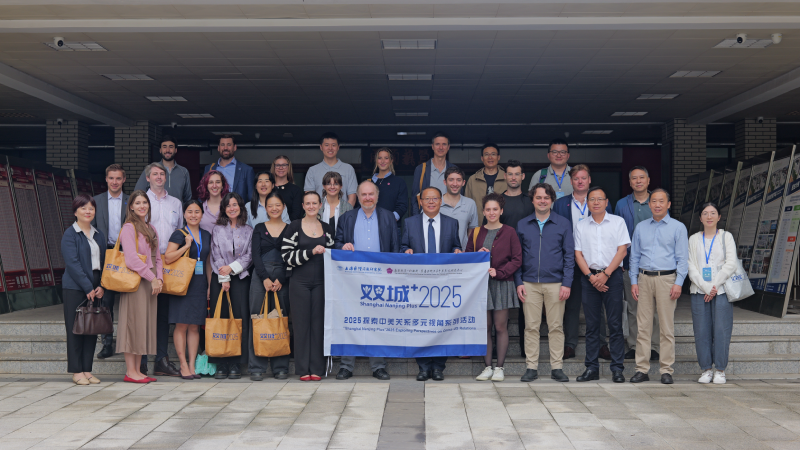
On October 14, 2025, the “Shanghai Nanjing Plus” 2025 delegation of American early- and mid-career experts and scholars began their visit in Nanjing.
Yihe Road Digital Exhibition Hall
That morning, the delegation visited the Yihe Road Digital Exhibition Hall in Gulou District , where they conductedfor an exchange focusing on comprehensive social governance. The exhibition hall was formerly the Jiangsu Road Domestic Water Treatment Center—China’s first sewage treatment plant designed and built entirely with domestic expertise, China’s first domestically designed and constructed domestic sewage treatment plant. In 2023, followingafter the site was the preservationed and restorationed of the original site, relevant local authorities repurpose transformed it intoas the Yihe Road Digital Exhibition Hall, an integrated venue combining immersive digital experiences with artistic and cultural exchangefeaturing immersive digital experiences and artistic and cultural exchange functions.
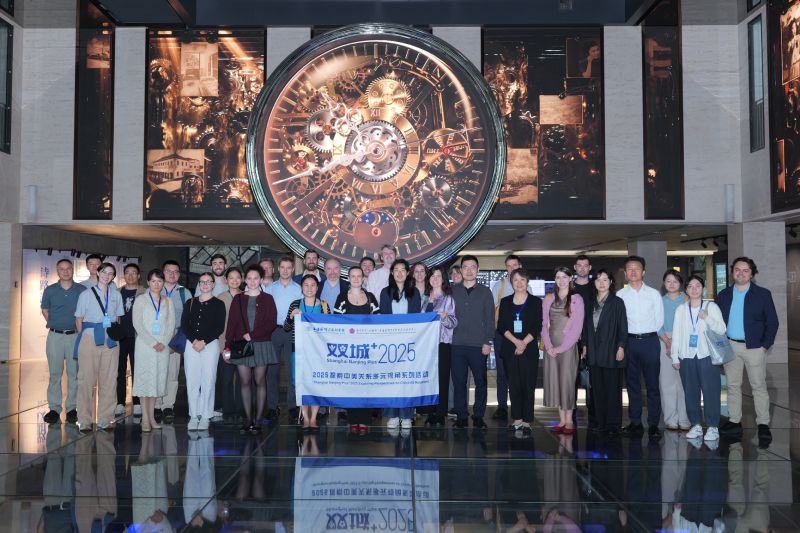
Group Photo inside the Yihe Road Digital Exhibition Hall
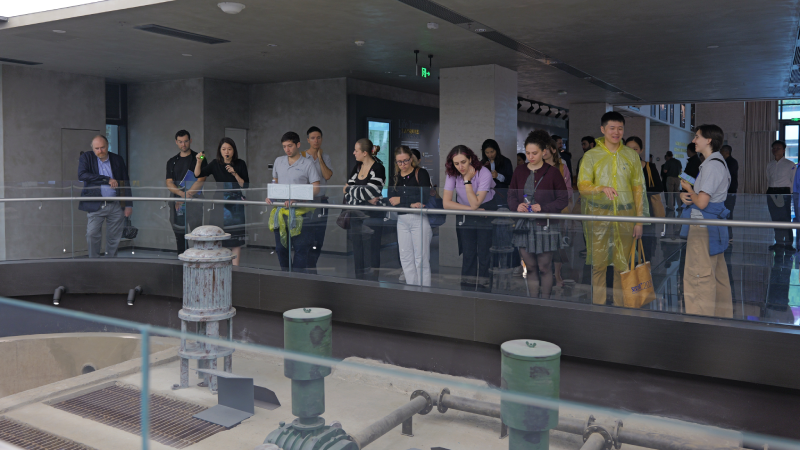
Visit the Remains of the Domestic Water Treatment Center
Experience the Telephone Switchboard Service of the Republic of China Era
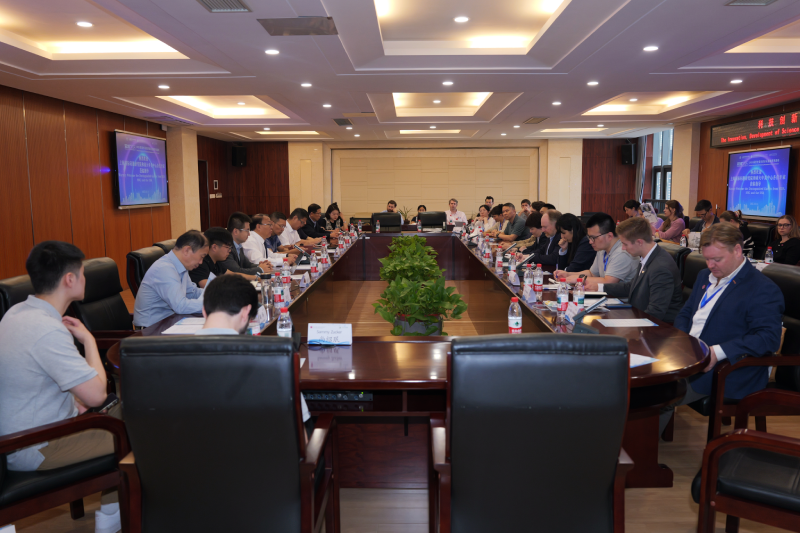
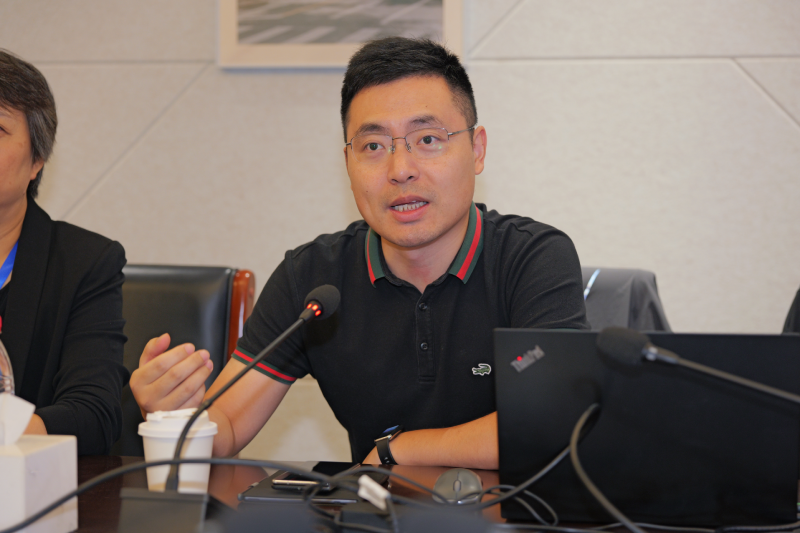
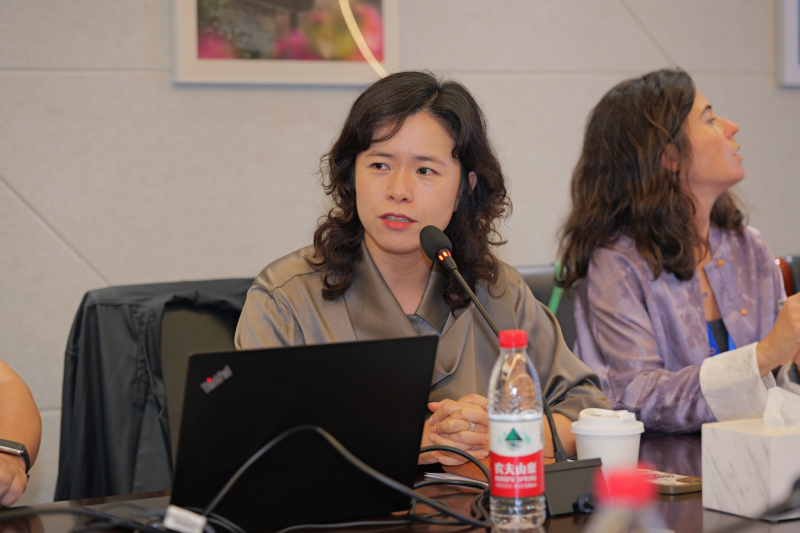
Afterward, the delegation held a discussion with officials from Gulou District and Hunan Road Subdistrict in a conference room inside the exhibition hall. Chen Guanyuan, Director of the Hunan Road Subdistrict Office, chaired the meeting and extended a warm welcome to the delegation. Li Xiaorong, Chinese Co-Director of the Nanjing University–Johns Hopkins University Center for Chinese and American Studies, and Adam Webb, American Co-Director, expressed their gratitude to Gulou District and Hunan Road Subdistrict for their strong support.
Photo from the Event
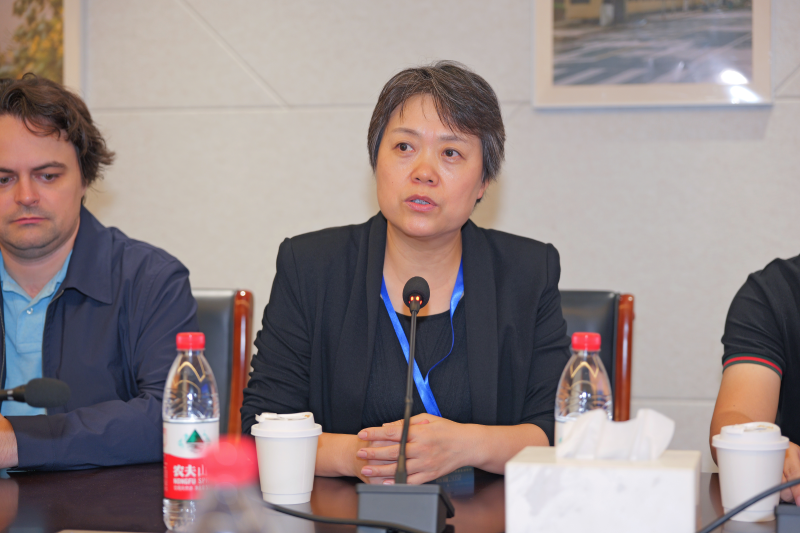
Li Xiaorong, Chinese Co-Director of the Nanjing University–Johns Hopkins University Center for Chinese and American Studies, Delivers Remarks
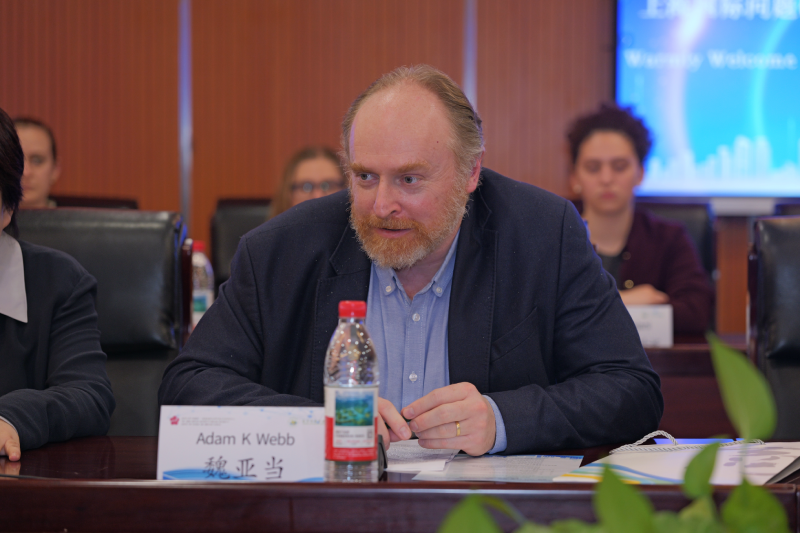
Adam Webb, American Co-Director, of the Nanjing University–Johns Hopkins University Center for Chinese and American Studies, Delivers Remarks
Chen Guanyuan, Director of the Hunan Road Subdistrict Office, Hosts the Meeting
During the discussion, Li Qian, Deputy Director of Gulou District Bureau of Commerce, gave a comprehensive overview of Gulou District’s investment environment, highlighting its historical and cultural heritage, robust economic development, strong educational and scientific resources, and well-structured industrial layout.
Li Qian, Deputy Director of Gulou District Bureau of Commerce, Delivers a Speech
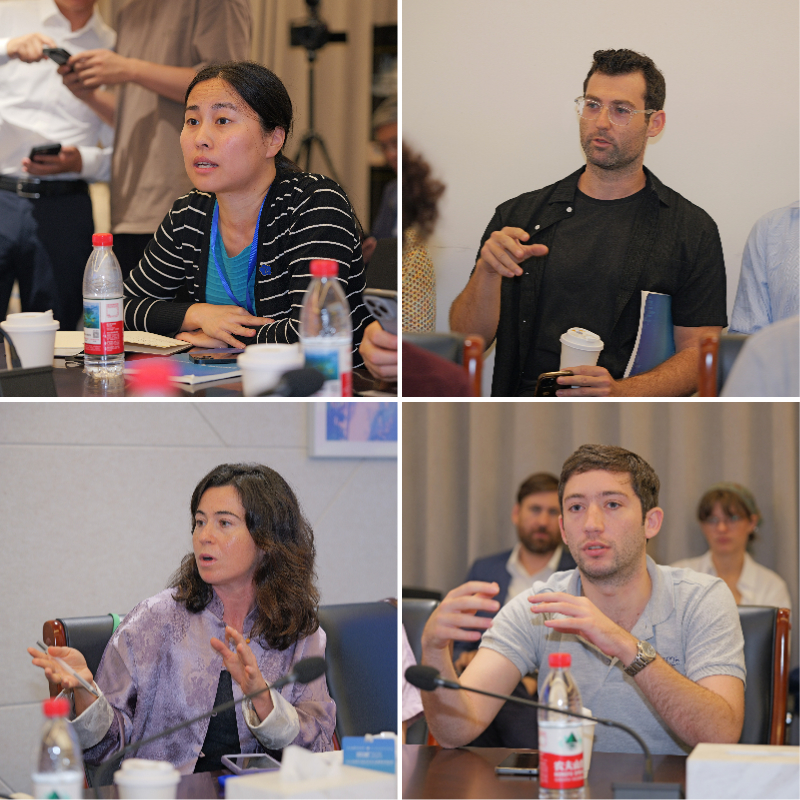
The delegates then turned to topics such as development of the industrial park, policies for foreign talent, the artificial intelligence industry, the “dual-carbon” goals, and the preservation and revitalization of historical buildings. They engaged in a lively and pragmatic discussions with officials from Gulou District and Hunan Road Subdistrict.
Delegates’ Remarks
Nanjing Commercial College
That afternoon, the delegation visited the North Campus of Nanjing Commercial College to gain an in-depth understanding of the school’s career-oriented talent training programs. Nanjing Commercial College is a national key vocational institution, a model for education reform and innovation, a national center for science and technology sports, a national teacher training base, and the largest vocational school in Nanjing in terms of student enrollment and campus size.
Group Photo in the Nanjing Commercial College
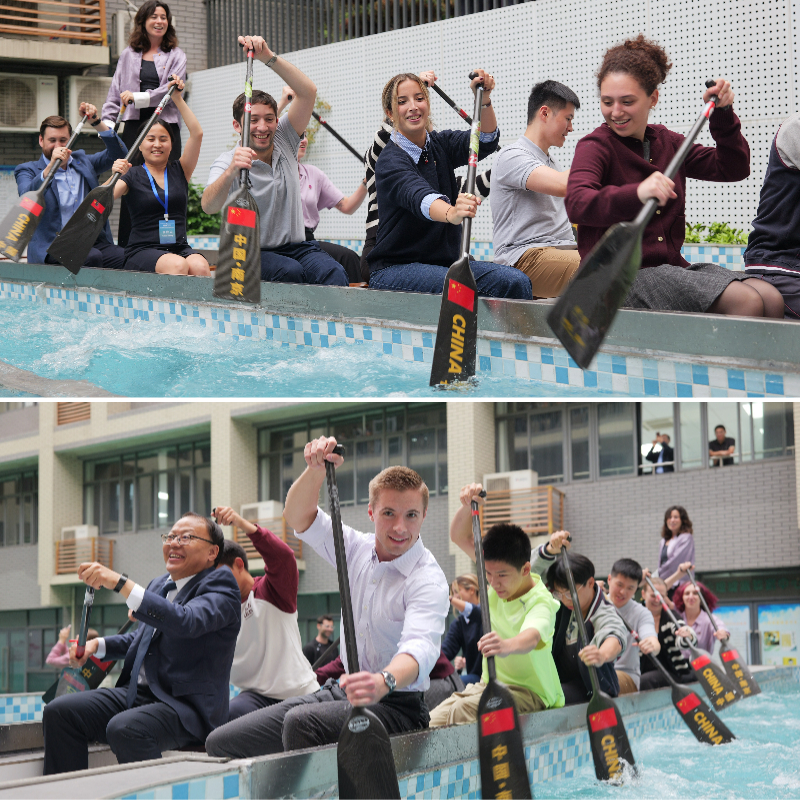
Dragon boat racing is one of the college’s signature traditional sports programs. At the college’s dedicated training venue, the delegation joined teachers and students in paddling together, experiencing firsthand the teamwork and exhilaration that define dragon boat training.
Participating in Dragon Boat Training with Teachers and Students
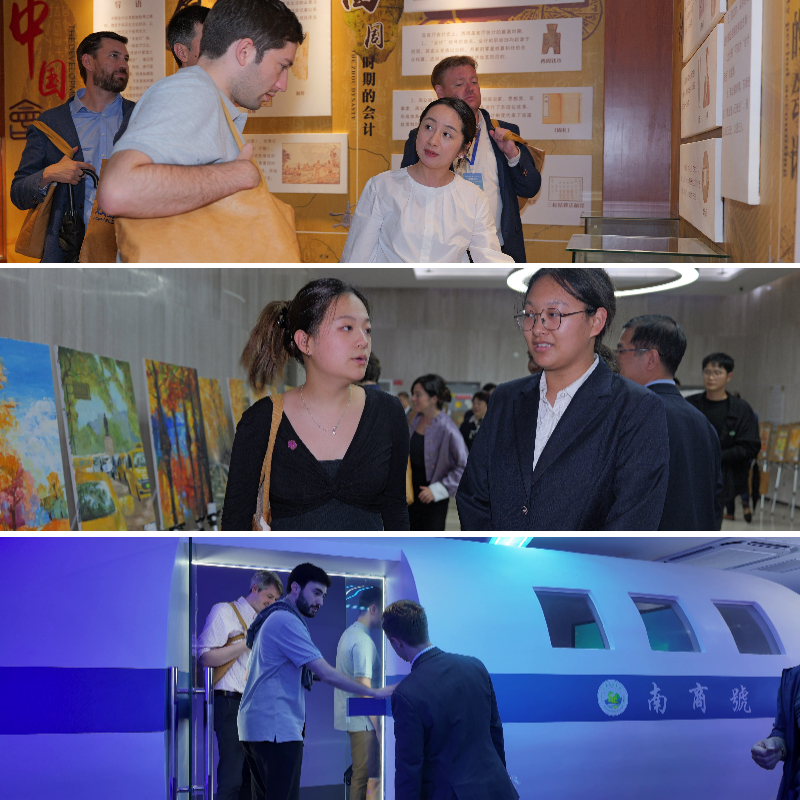
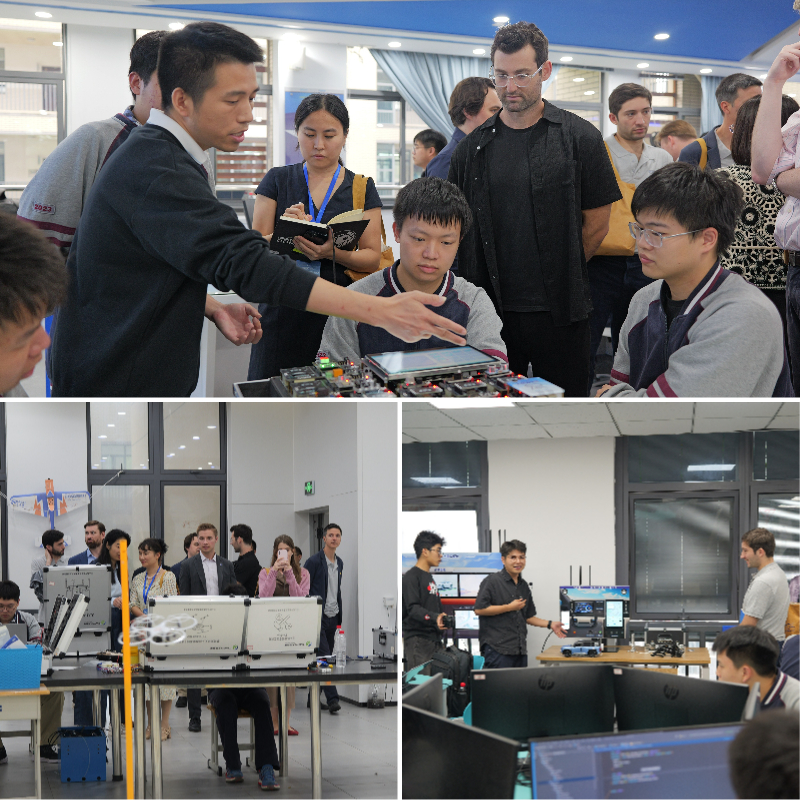
Afterwards, the delegates toured the Accounting Culture Exhibition Hall, the Digital Media Art Department’s Autumn Art Exhibition, and the Logistics Culture Experience Center, gaining a n intuitive understandingclear sense of the university’s progress in professional development and cultural education. They also observed on-site demonstrations ofshowcasing students’ expertise in drone operation, Baidu AI training, and Neusoft HarmonyOS application development training, offergaining them deeper insights into the university’s innovative approach to cultivating tech-oriented talent.
Visit Exhibitions on Accounting Culture, Digital Media Arts, and Logistics Culture
Observed Drone Operation Showcase, Baidu AI training, and Neusoft HarmonyOS Application Development Training
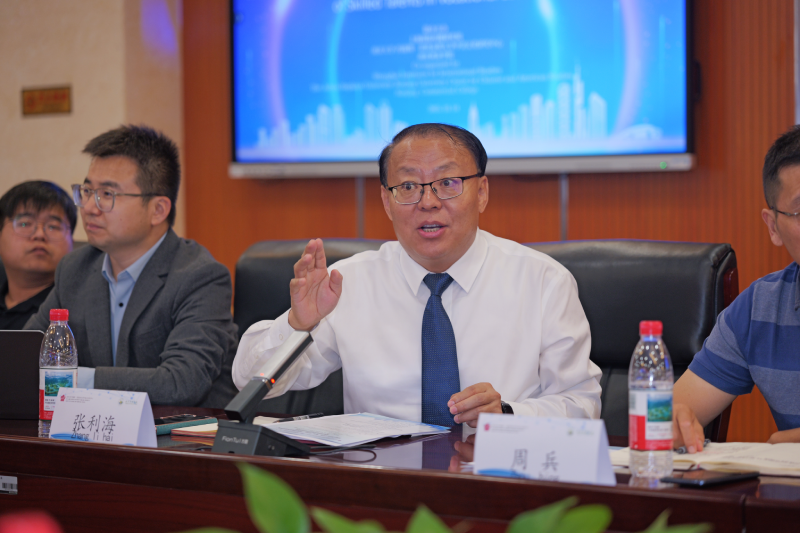
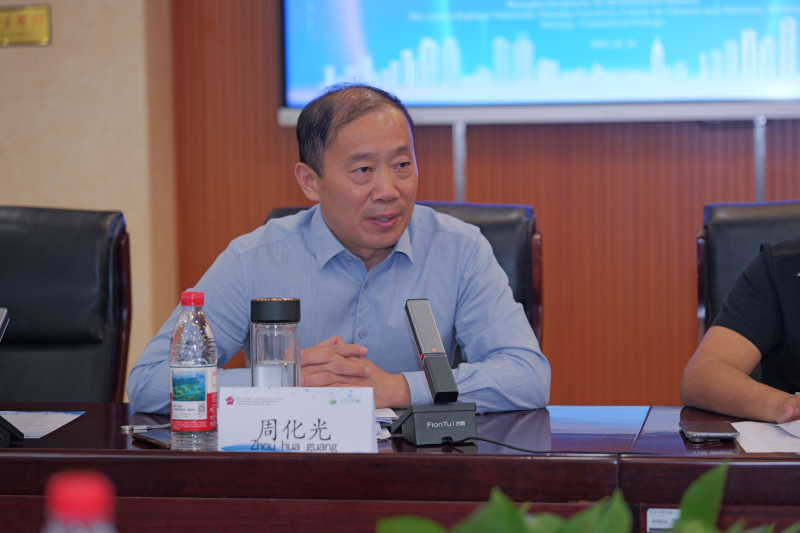
After the series of visits, the delegation participated in a roundtable discussion titled “Technological Innovation and the Training of Skilled Vocational Talent.” The meeting was moderated by Zhou Huaguang, Vice Principal of Nanjing Commercial College. Zhang Lihai, Party Secretary of Nanjing Commercial College, and Adam Webb, delivered remarks, respectively.
Photo from the Event
Zhang Lihai, Party Secretary of Nanjing Commercial College, Delivers Remarks
Adam Webb, American Co-Director of the Nanjing University–Johns Hopkins University Center for Chinese and American Studies, Delivers Remarks
Zhou Huaguang, Vice Principal of Nanjing Commercial College, Hosts the Event
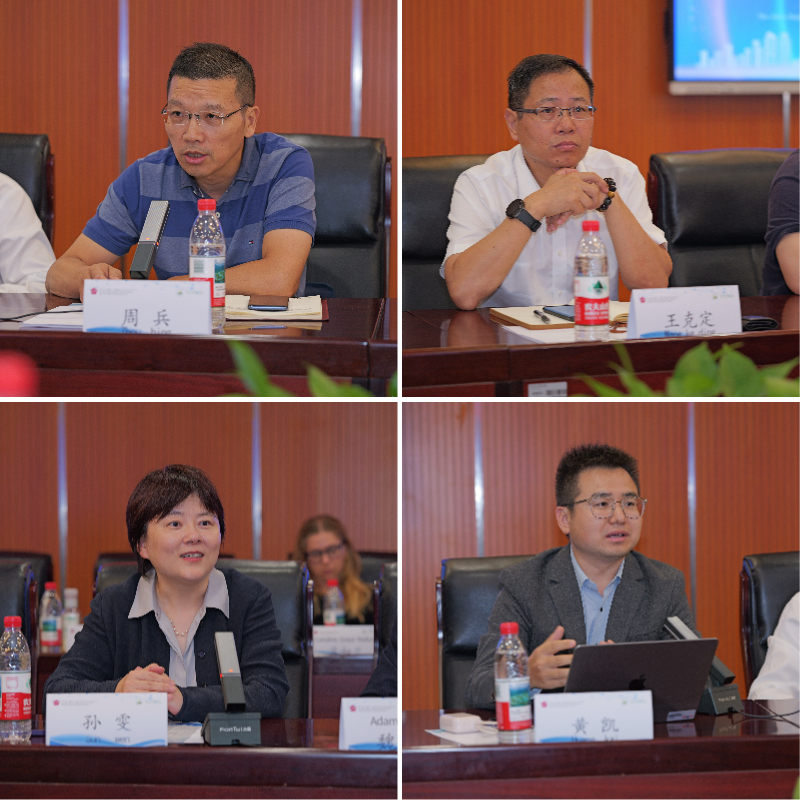
Participants in the roundtable included Zhou Bing, Level I Division Rank Official of Gulou Hi-tech Zone in Nanjing; Wang Keding, Principal of Nanjing Commercial College; Sun Wen, Deputy Director for Academic Affairs at the Nanjing University–Johns Hopkins University Center for Chinese and American Studies; and Huang Kai, Senior Product Operations Manager of Baidu AI Technology Ecosystem, etc.
Some Guests of Roundtable Discussion
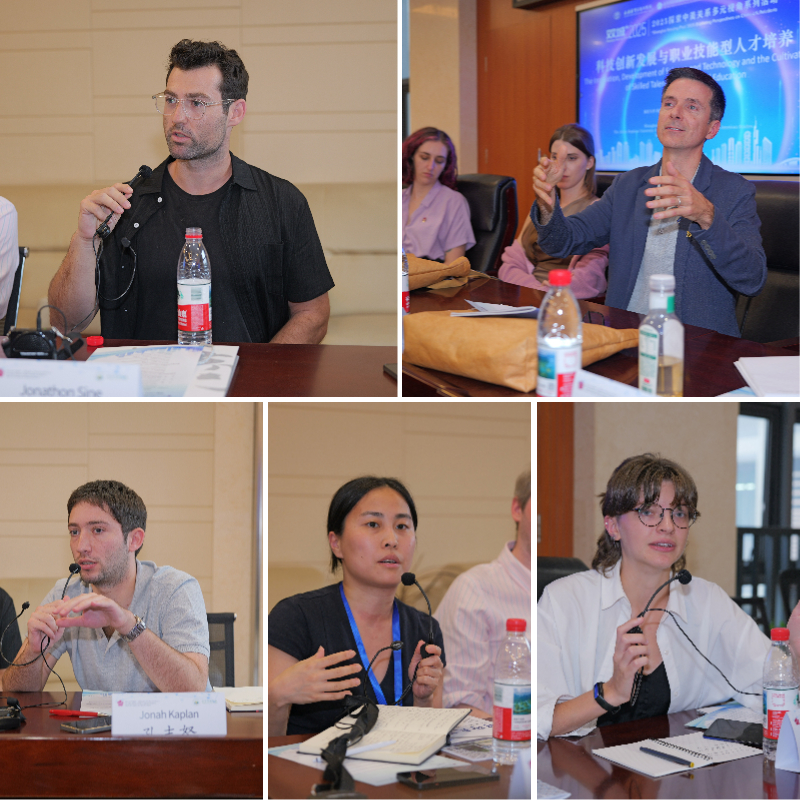
During the roundtable discussion, the delegation focused on the core topic of vocational talent training, engaging in lively exchanges on issues such as the strengths and challenges of vocational education, integrated training programs within China’s vocational education system, choices of major selection, innovation and entrepreneurship among vocational students, and graduate employment. The discussion further deepened their understanding of China’s vocational education system.
Delegates’ Remarks